OZONE DEMO APP
PRODUCT DESIGN ・ INTERACTION DESIGN ・ PROTOTYPING




ABOUT THE PROJECT
In early 2024, I partnered with Nippon Koei (NK), a Japanese engineering consultancy, after their Singapore team won an LTA competition to address urban mobility issues in Jurong Lake District. Their winning idea, OZONE, was a digital journey planner to promote walking, cycling, and public transport, aligning with Singapore’s “car-lite” vision.
While NK led the technical side, I was responsible for translating that vision into an intuitive digital experience that could gently influence commuter behavior.
What I did
Overview
Our vision for OZONE was simple: in partnership with NK, we turned behavioral insights into strategic interaction points to build a journey planner that gently nudges behavior, so walking, cycling, or taking transit feels like the easier option.
We moved quickly with fast iterations and clear flows, prioritizing decision-making UX over visual polish.
DESK RESEARCH
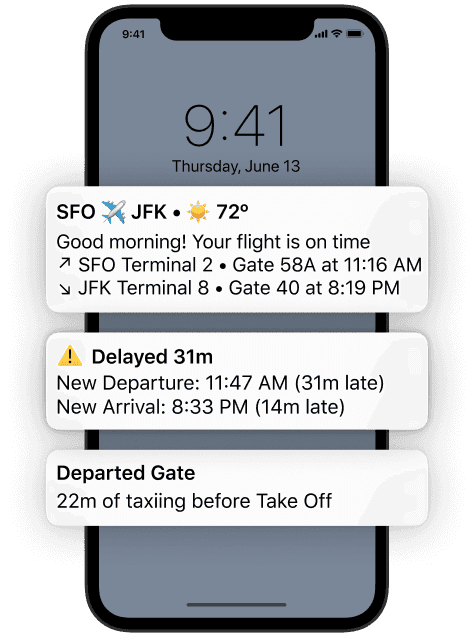
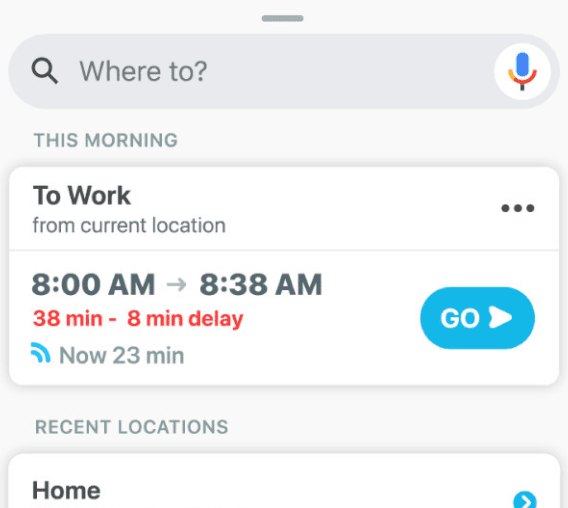
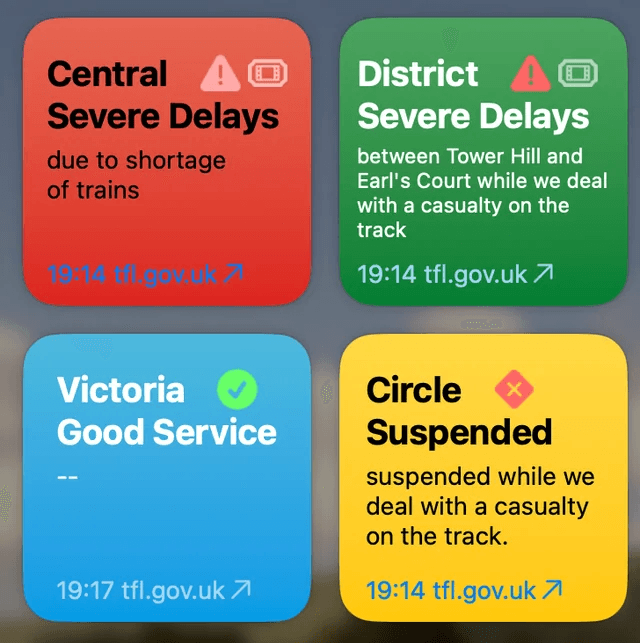
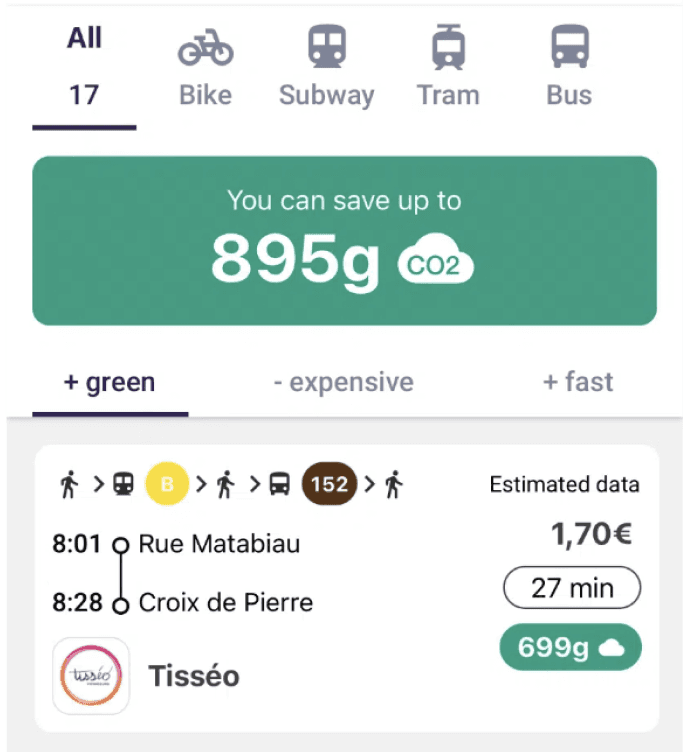
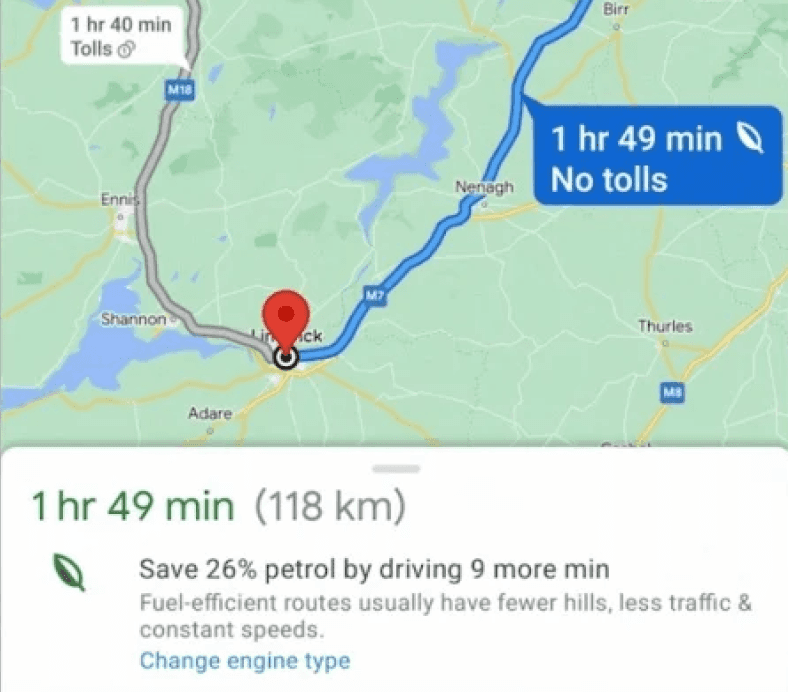
Given time constraints and limited access to user testing, I needed a way to shape OZONE’s experience around proven commuter behaviors. To move quickly without compromising user value, we conducted a desk research focused on a competitive analysis of journey planner apps and behavioral design principles.
What I analyzed
To define a relevant design strategy for OZONE, I started from the research question and find answers by analyzing how the best practice of popular journey planner apps like Google Maps, Waze, Apple Maps, and CityMapper would applied.
Beyond technical capabilities, I mainly looked at how each platform uses subtle behavioral nudges to influence commuter choices. From what I found of the best practices, I was able to shaped a clear design intention
How might we design a journey planner that can influence commuting behavior from private mobility to active mobility?
A mobility planning experience that promotes car-lite behavior by enabling intuitive route comparison between public and private transport, supported by subtle behavioral nudges.
[↑] Research Approach
How we came up with design intention
3-STAGE NUDGE FRAMEWORK
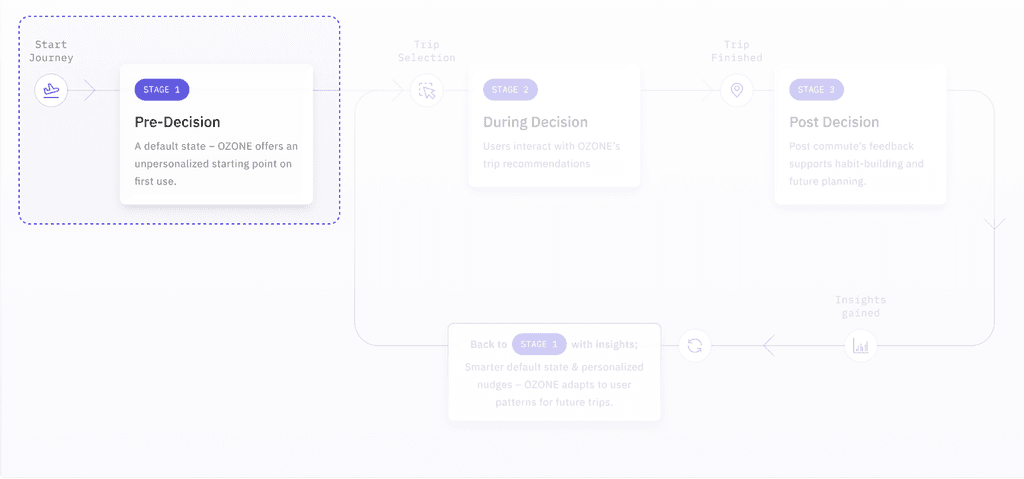
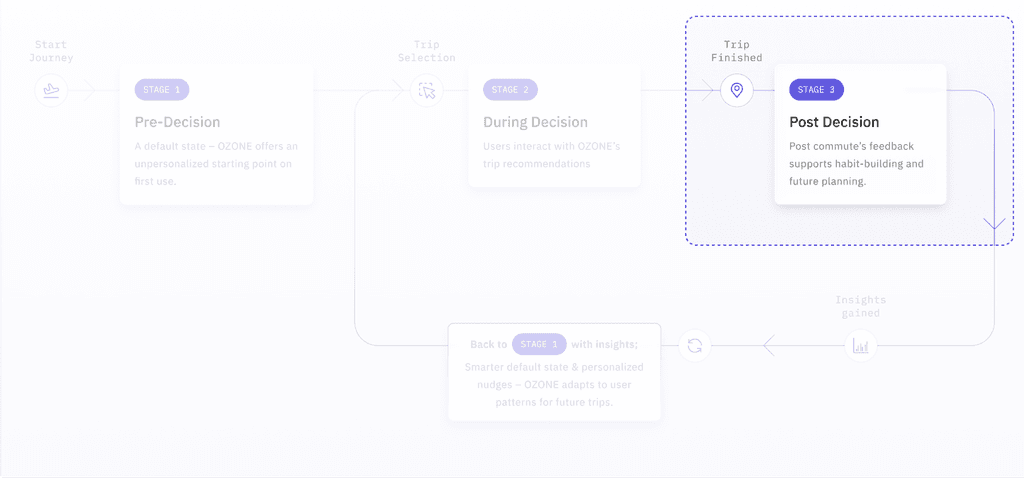
To encourage car-lite behavior, I adopted a behavioral design approach based on the proven nudge theory. I structured the behavioral cues to align with key decision points in the user journey; (1) before, (2) during, and (3) after the trip.

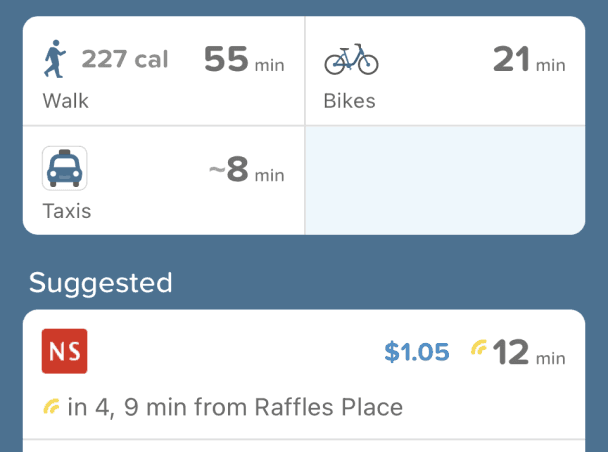
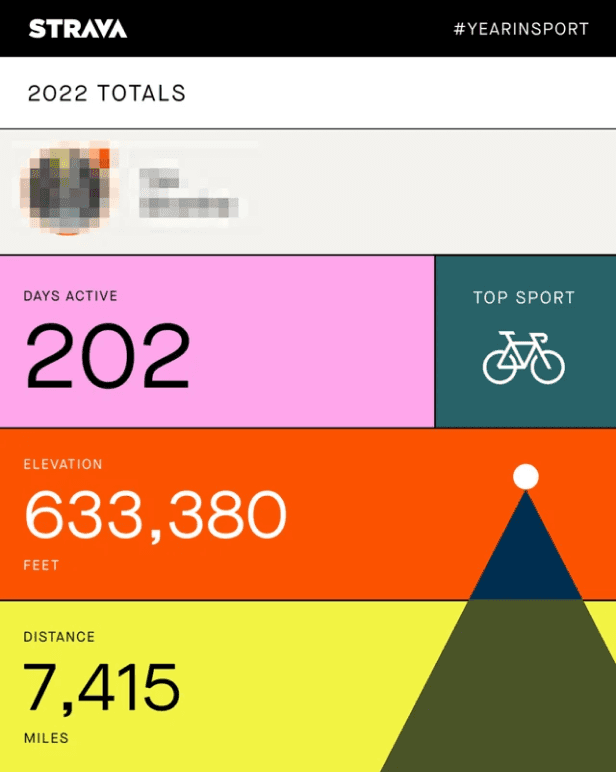


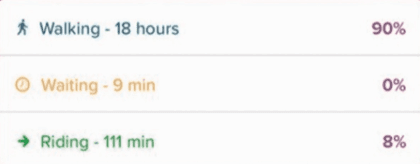

Nudges to Habit: a Behavior Loop
While each nudge targets a specific stage in the commuter journey, together they form a continuous cycle that reappears across the user's day-to-day mobility patterns, shaping and reinforcing behavior over time.
Across this loop, OZONE adapts to the user's decisions: starting with a neutral state, then guiding them through low-friction choices, and finally learning from their feedback. These insights are fed back into the system, allowing OZONE to evolve with the user-surfacing smarter defaults and more relevant nudges on their next trip.
Over time, this cycle builds habits, aligns with users' commuting goals, and subtly encourages more sustainable behavior-without requiring drastic change or sacrificing usability.
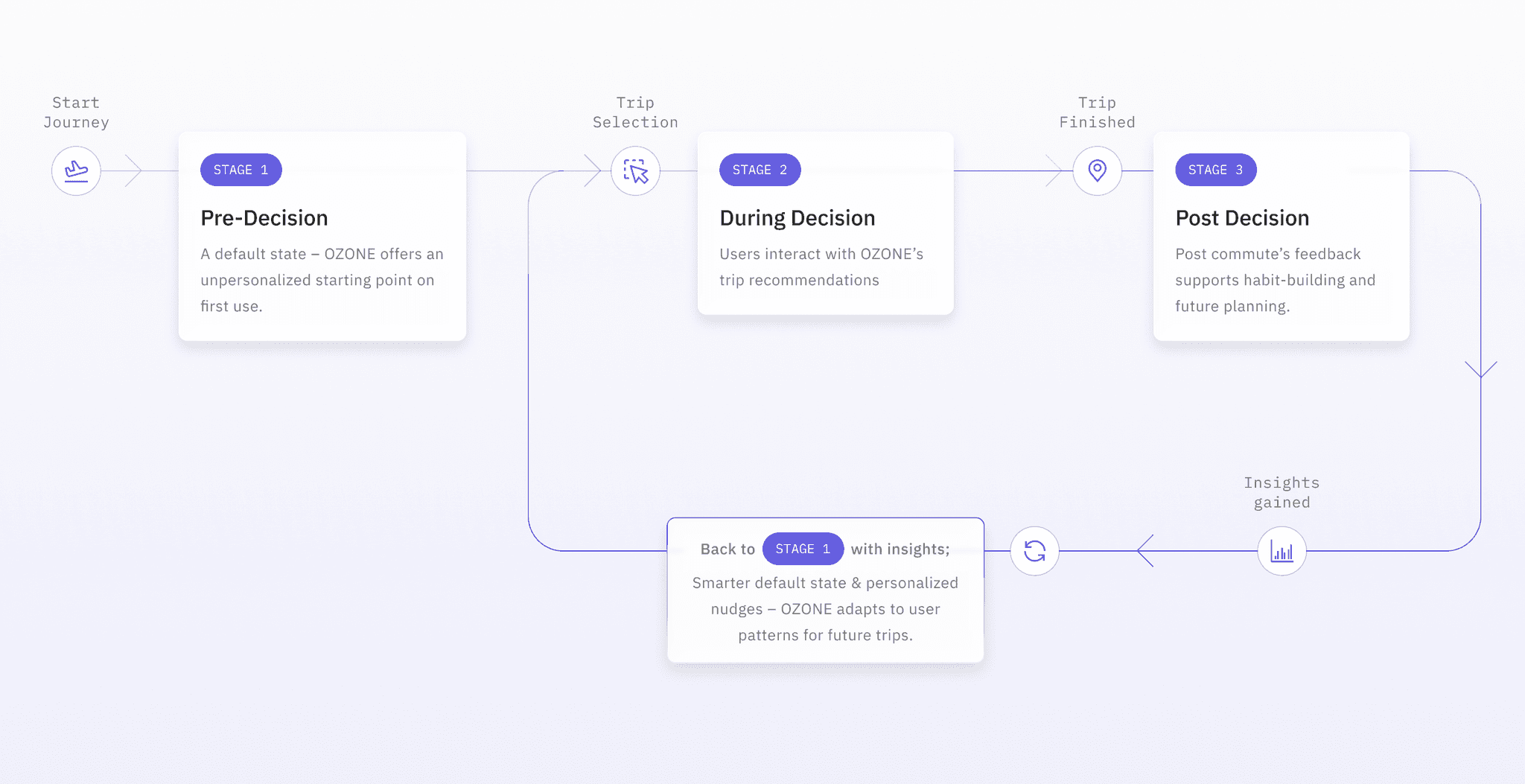
[↑] 3 Stage Nudge Framework on a loop
Pre-Decision → During Decision → Post-Decision → loops back to → Smarter Pre-Decision
DESIGN
Start simple, learn overtime
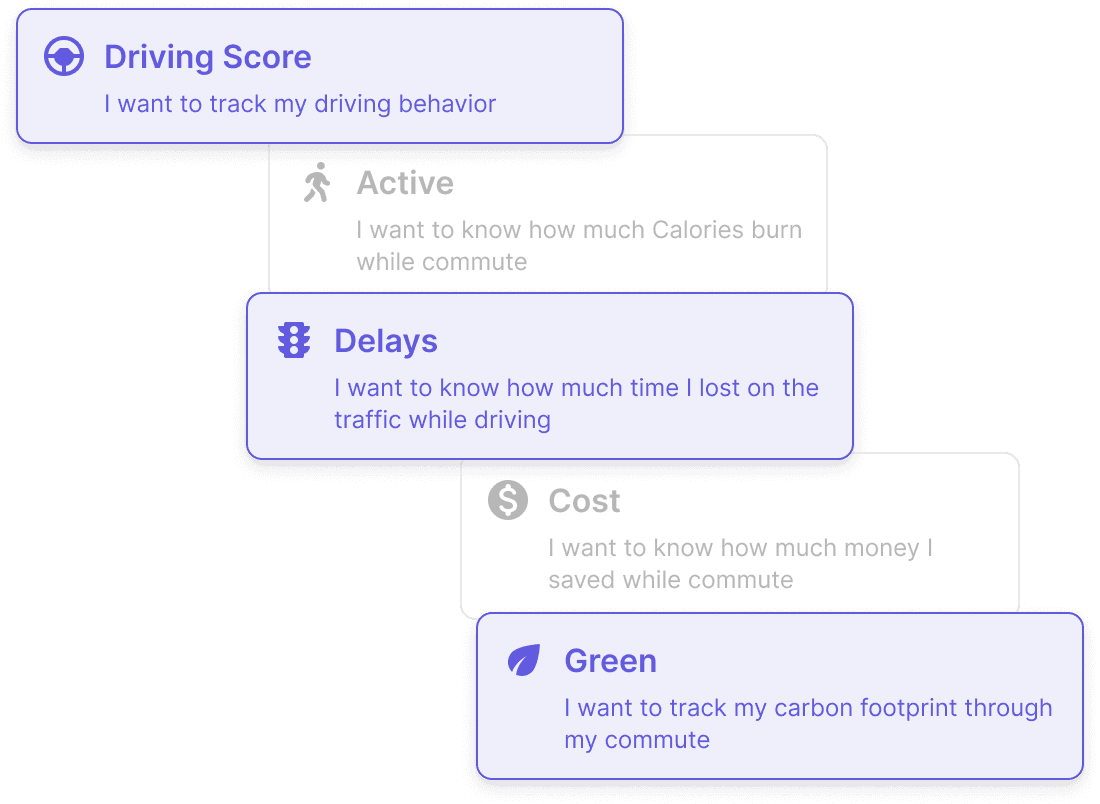
To avoid decision fatigue early on, OZONE begins with a minimal setup: users are only asked to pin their Home and Work locations, and select the kind of trip insights they care about — such as time saved, cost, or activity. This small input helps OZONE gently personalize route nudges without requiring full commitment.
Behind the scenes, the system starts with neutral defaults and learns from day-to-day patterns, gradually surfacing smarter options as it evolves with the user.
Set Commuting Preferences
Use value-driven defaults (e.g., cost, green, delays) to reduce cognitive load and guide early decisions.
STAGE 1
Set Home-Work Location
Capture routine anchors to enable context-aware nudges with minimal user effort.
STAGE 1
STAGE 1
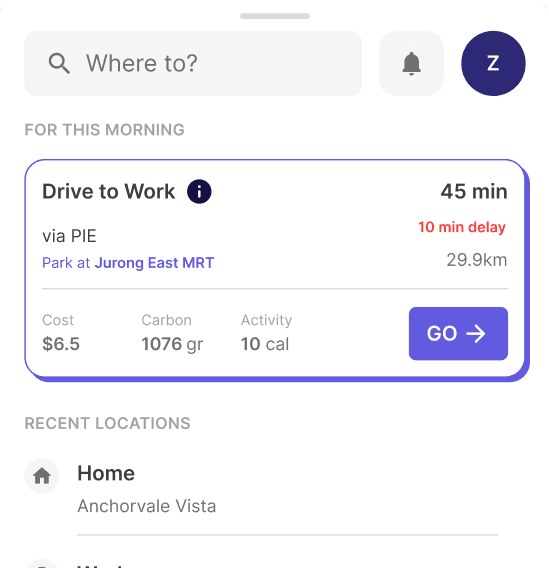
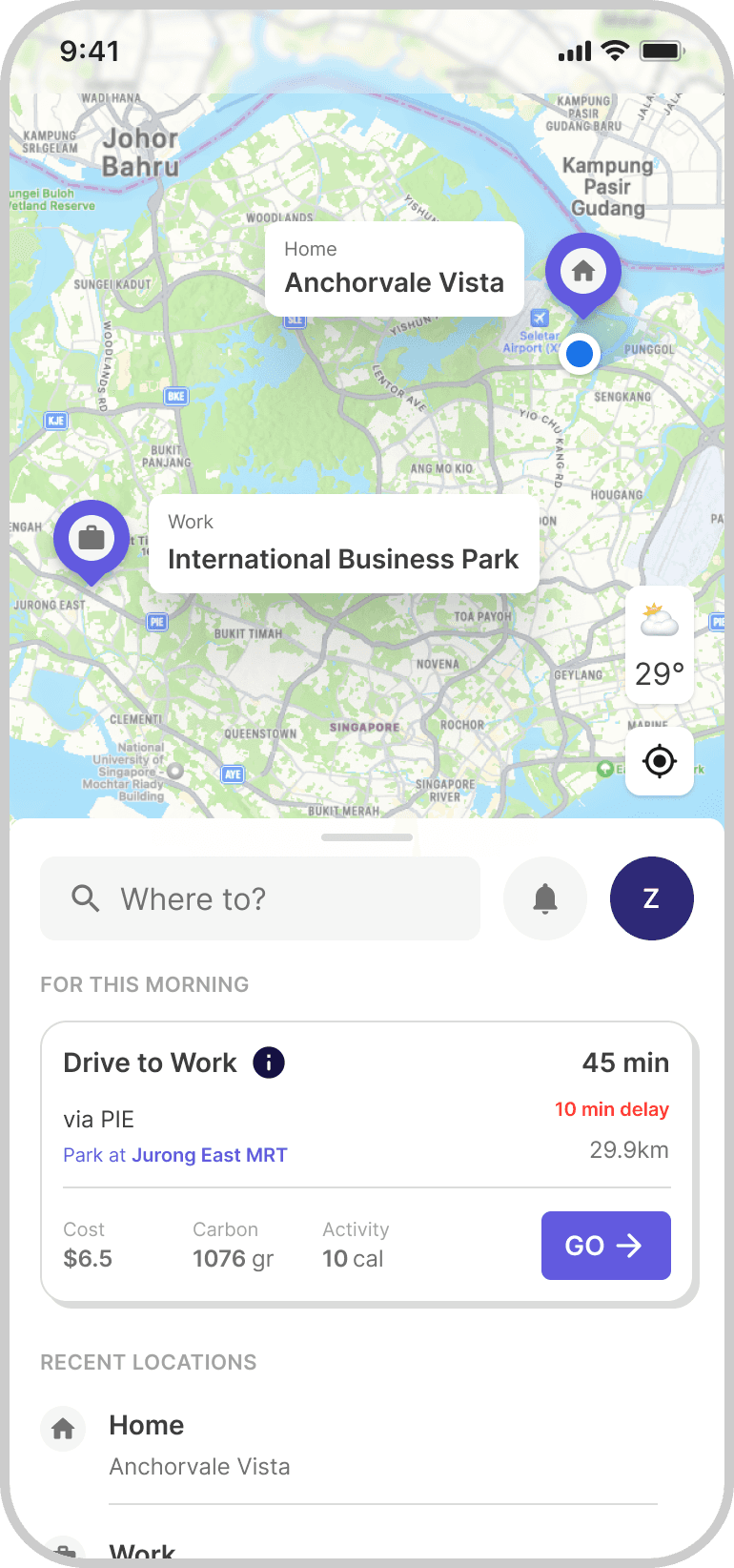
Direct Feedback on Homepage
With just 2 inputs above, OZONE could begin to recommend the best route for today, One tap to go—no need to plan from scratch.
But users always remain in control. They can ignore the suggestion and manually enter any destination via the search bar.
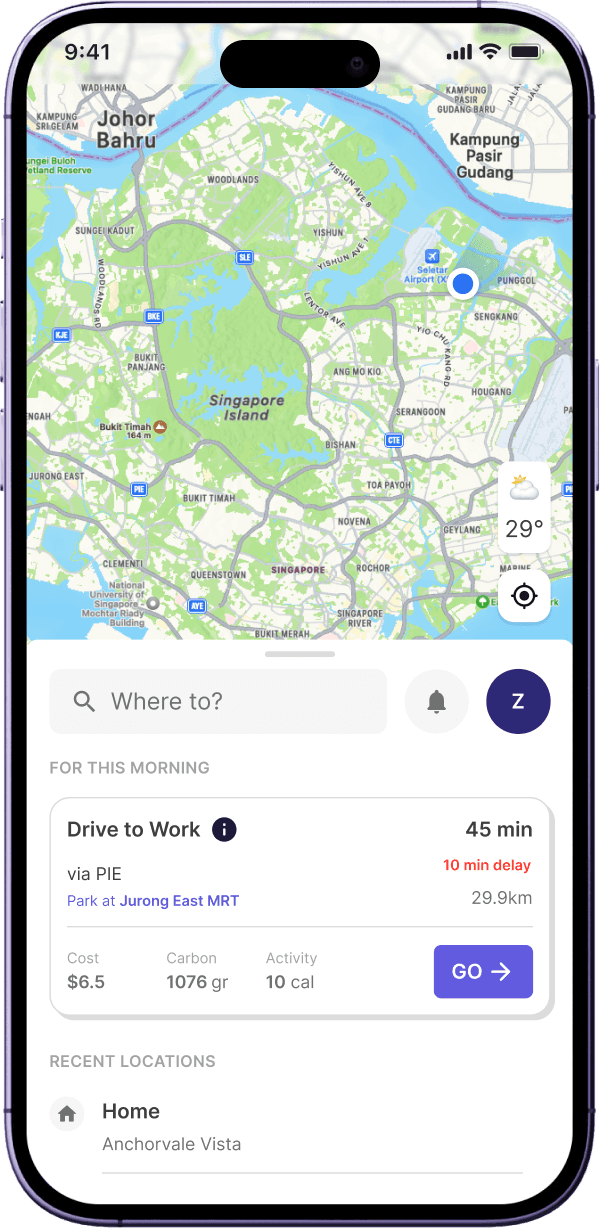
[↑] Onboarding to Homepage
How simple input and user's information could shape OZONE's feedback
DESIGN
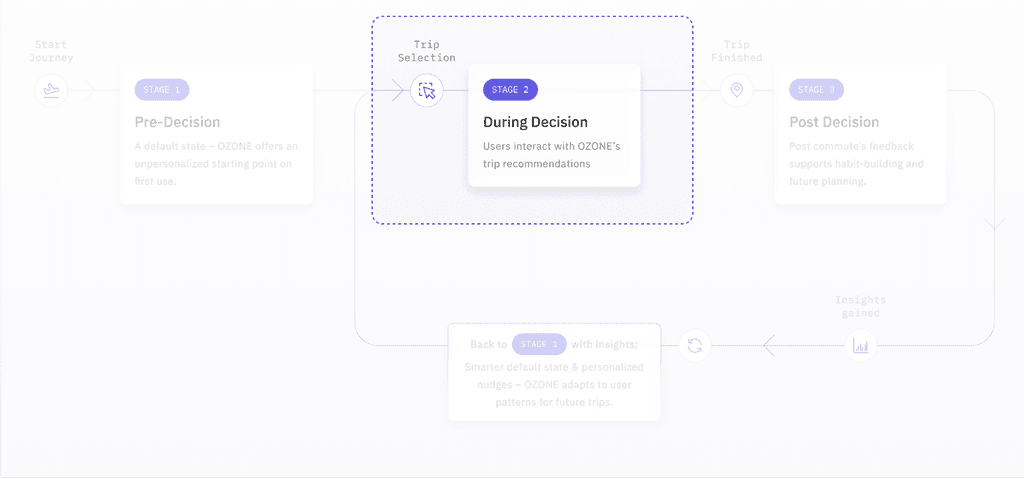
Suggestion & Comparison to Decision
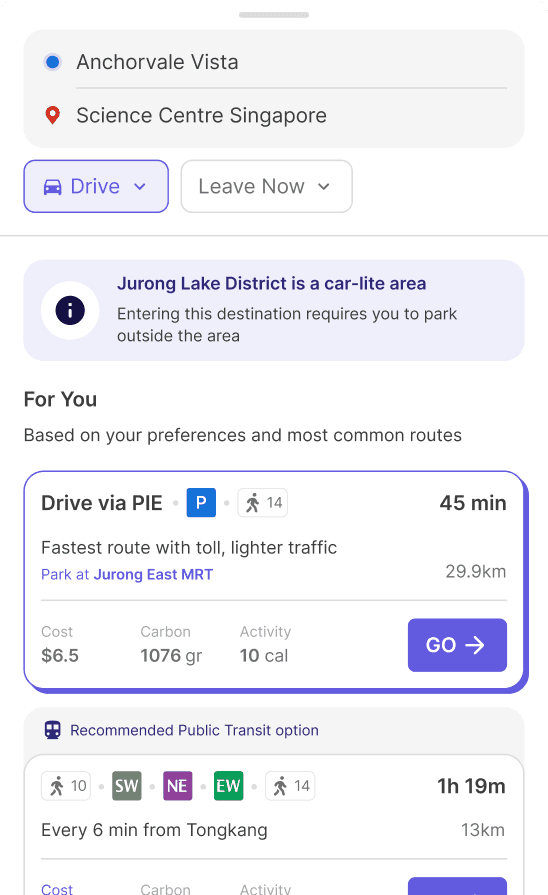
After users input their destination, they land on the route recommendation screen. This is where they actively decide between commuting options.
Initially, I explored two distinct directions; one with a direct, guided suggestion, while the other offered comparative insights. However, client feedback revealed the need for both. By merging these approaches into a single layout, we structured a screen that nudges and informs — allowing users to quickly compare options while feeling guided toward better choices.
This shifts the experience from passive suggestion to empowered decision-making. Once origin and destination are set, the interface reveals the most relevant routes in a clear, value-aligned format.
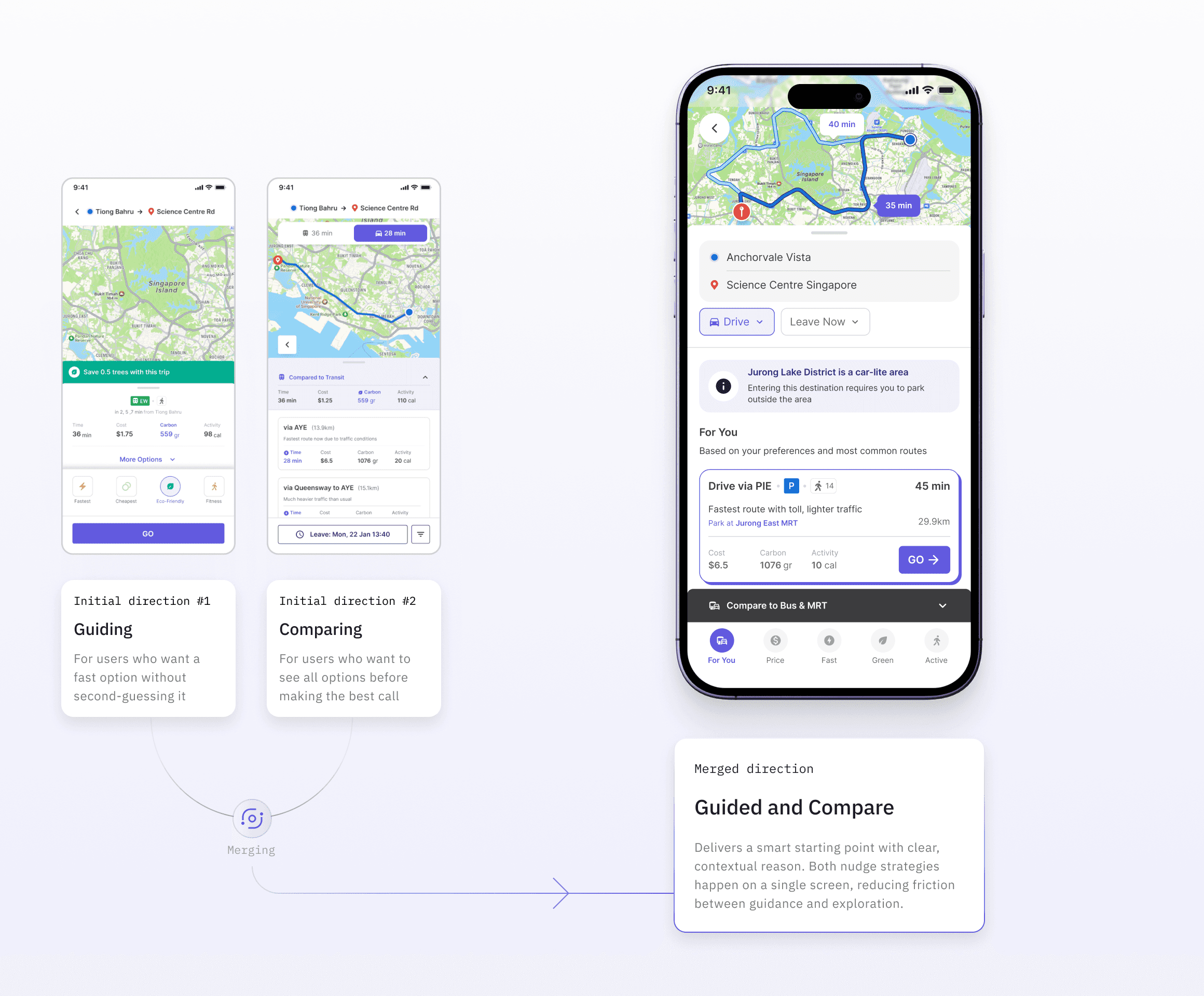
[↑] Search results & recommendations
2 initial directions of nudging merged into 1 screen
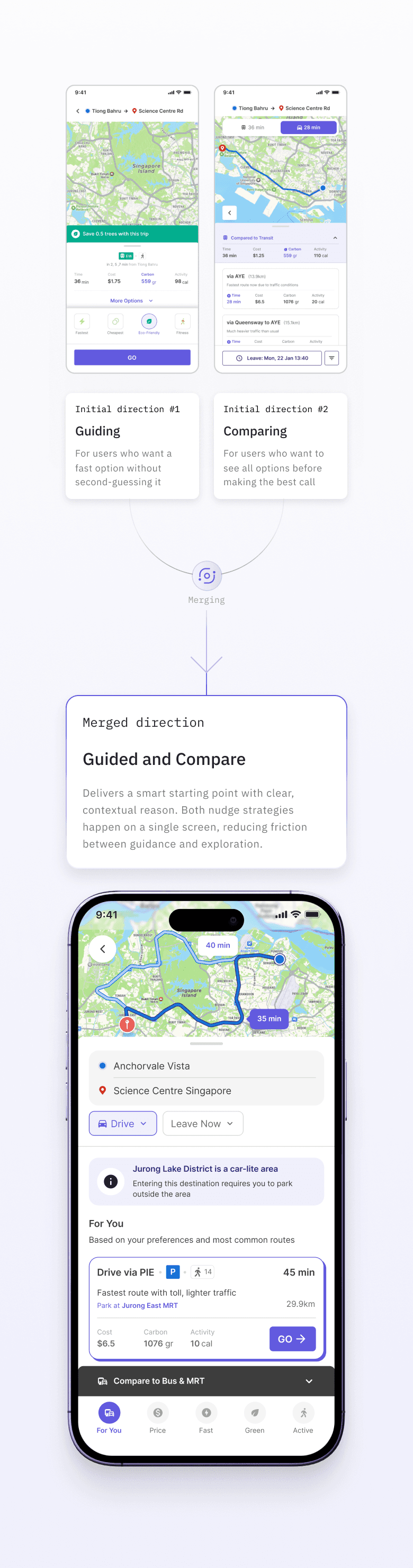
Layered UI shows route options at a glance, with details only when needed.
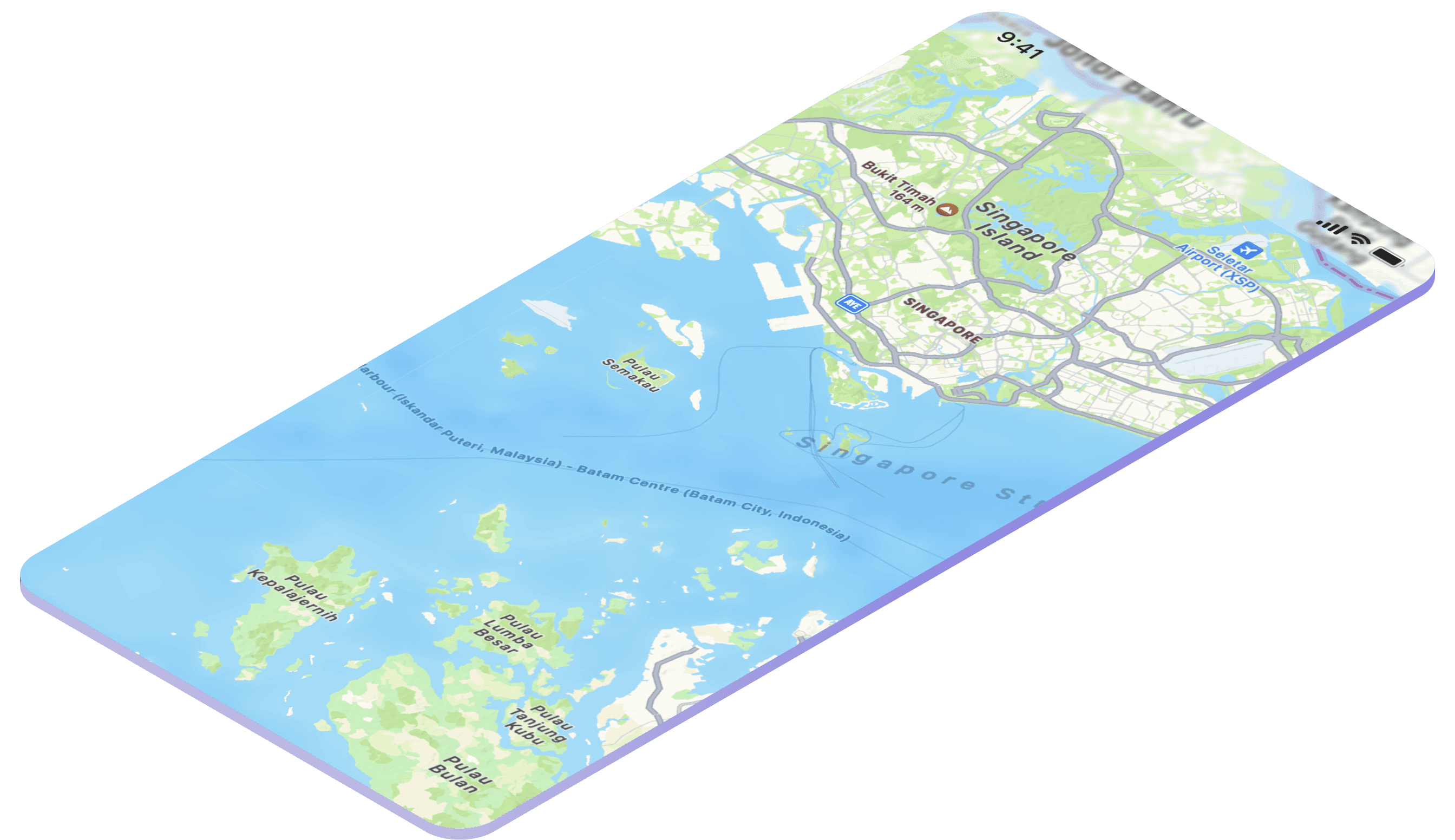
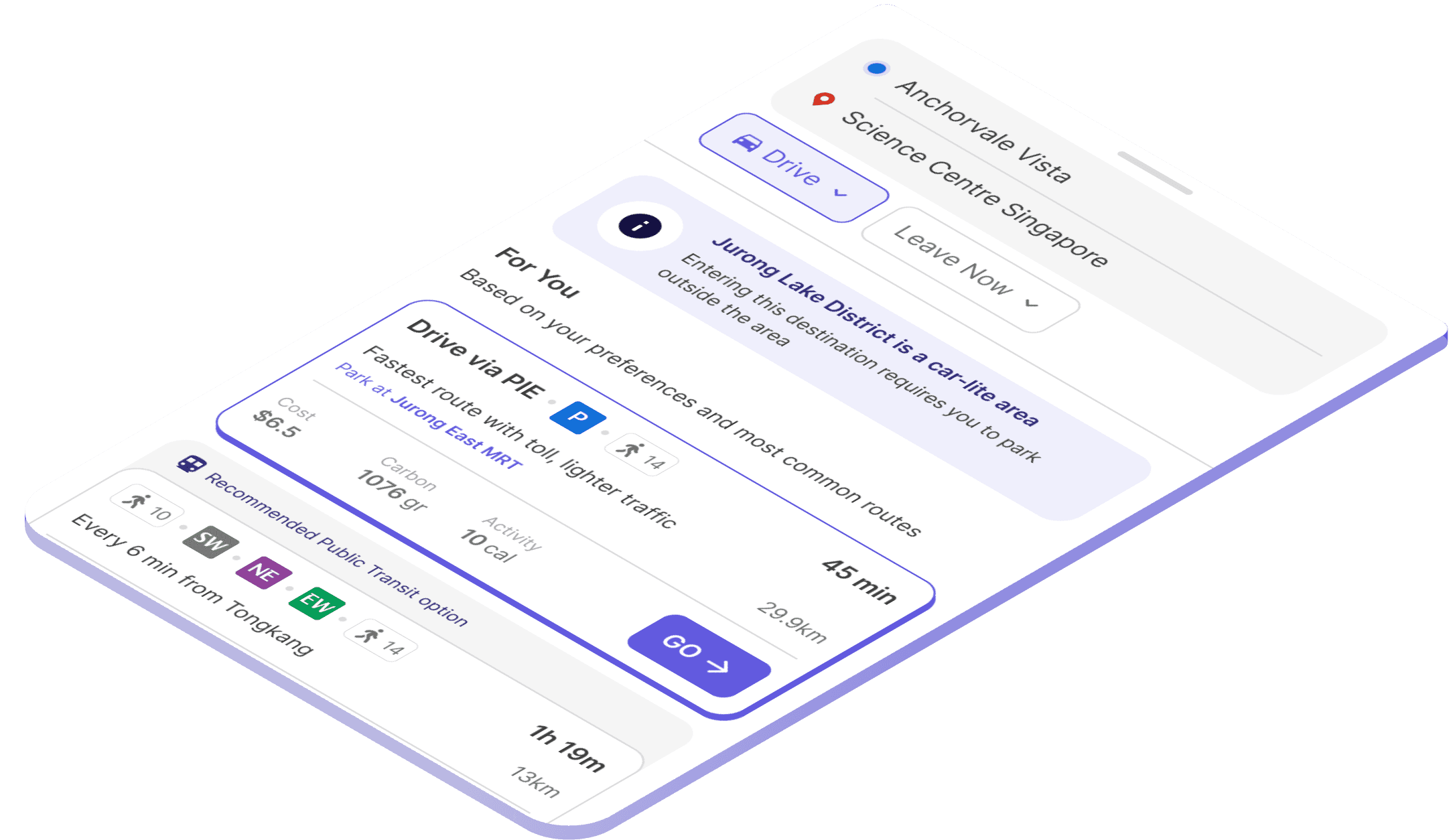
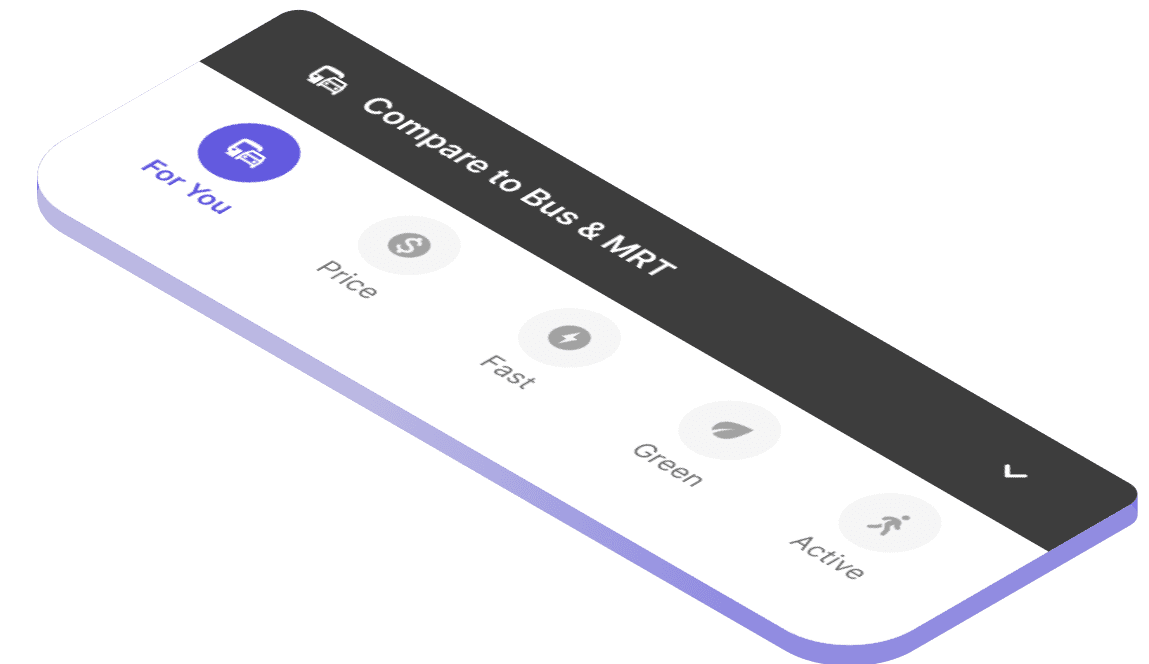
[↑] OZONE stage 2's page structure
How I organize multiple layers of informations
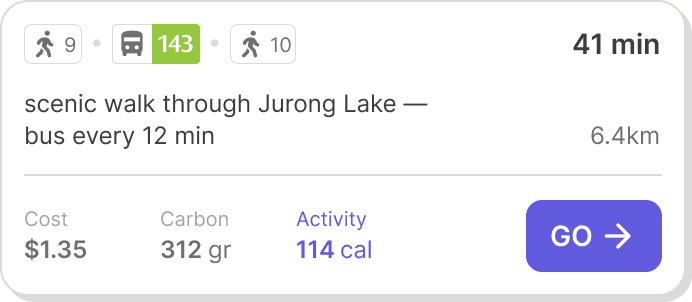
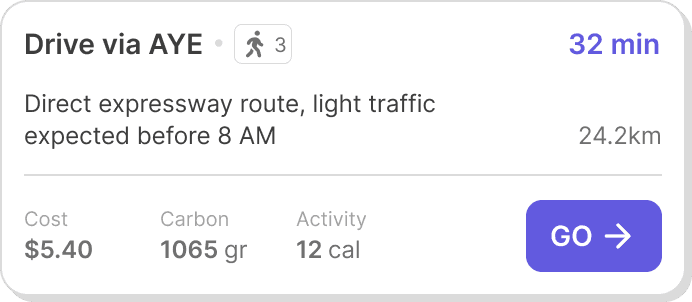
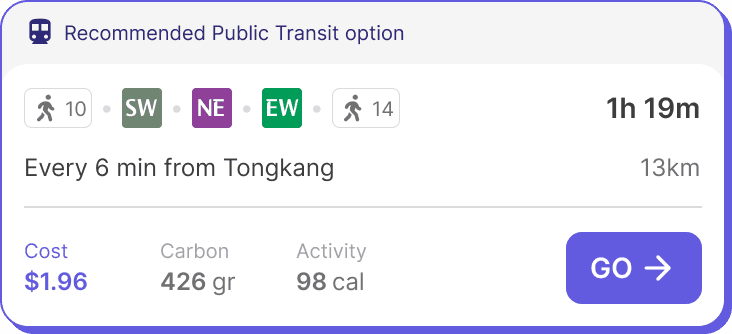
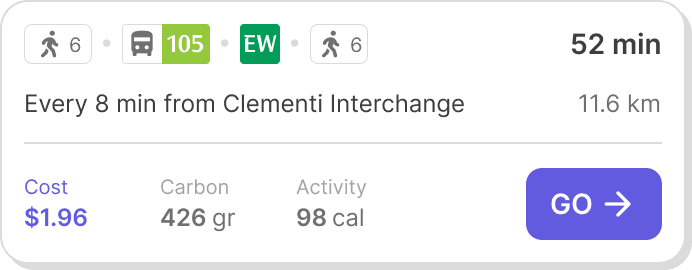
The design supports quick mode switching between Drive and Transit, enabling exploration of possibilities without friction
[↑] Drive and Transit Mode
OZONE gives real-time data for users to decide between the modes
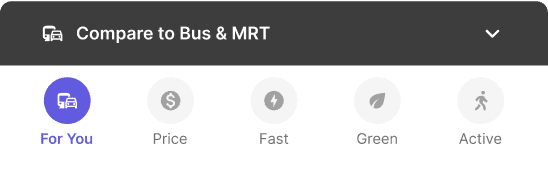
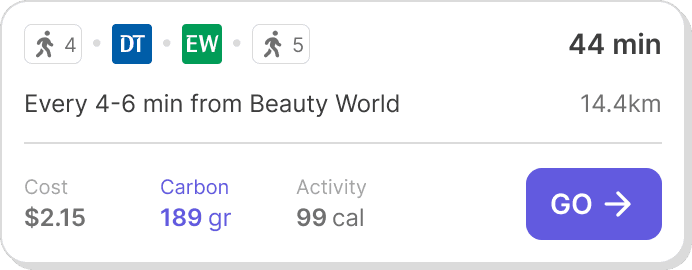
The bottom navigation surfaces different results complete with quantified route options, empowering commuters to make informed, efficient choices aligned with their commuting preferences
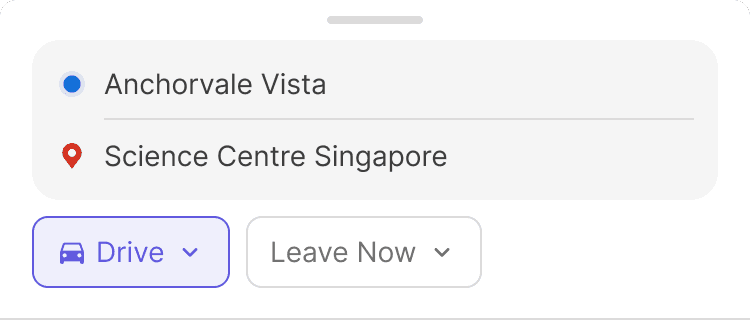
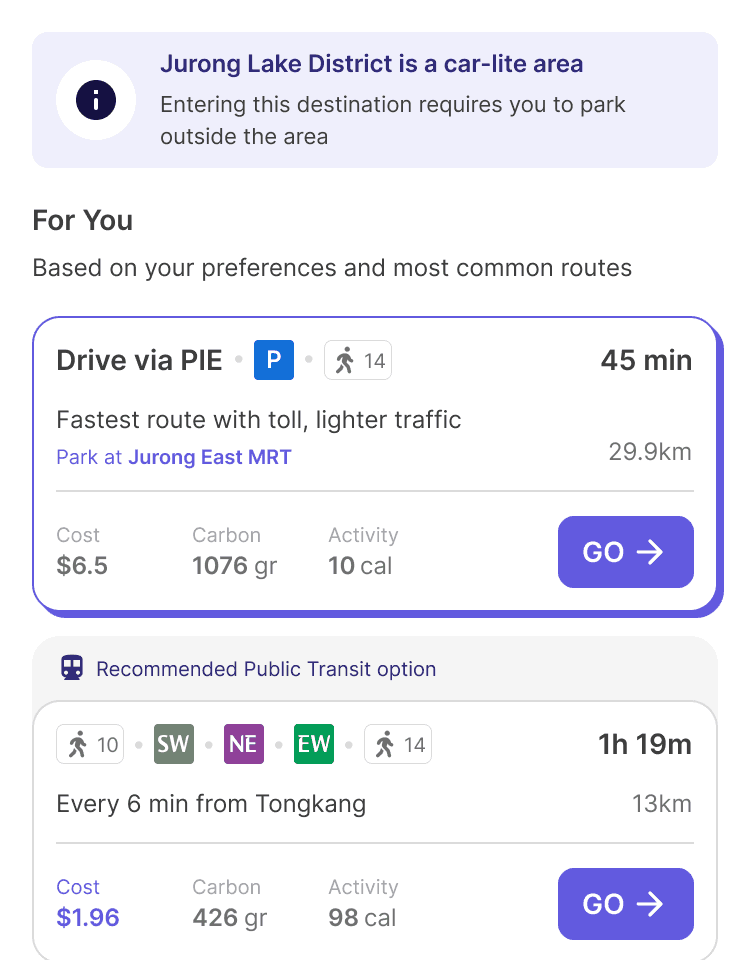
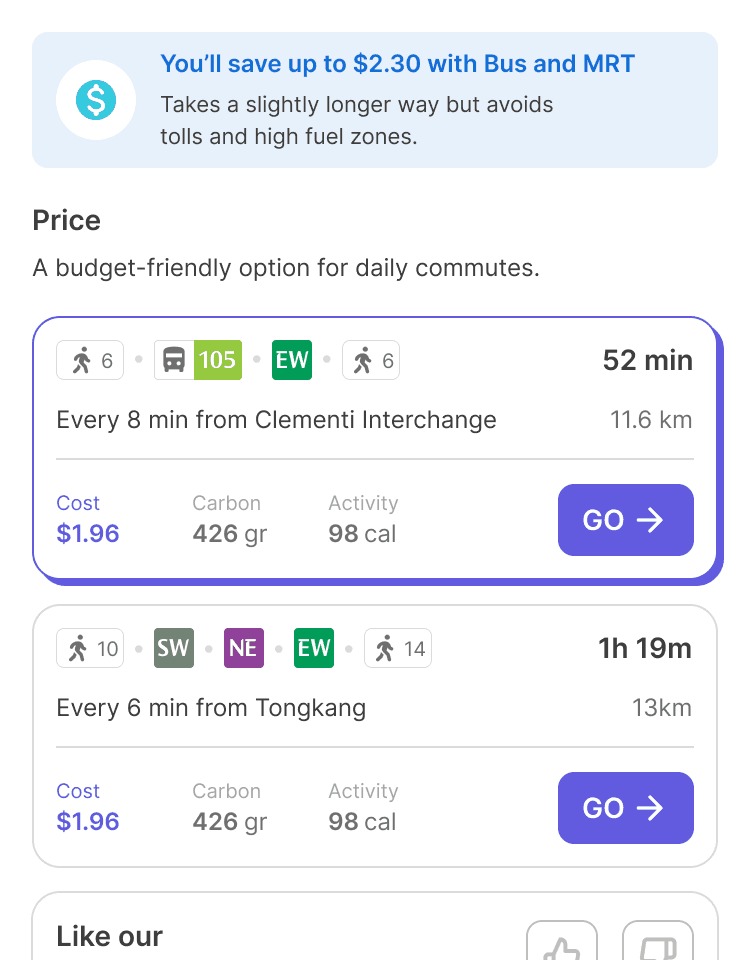
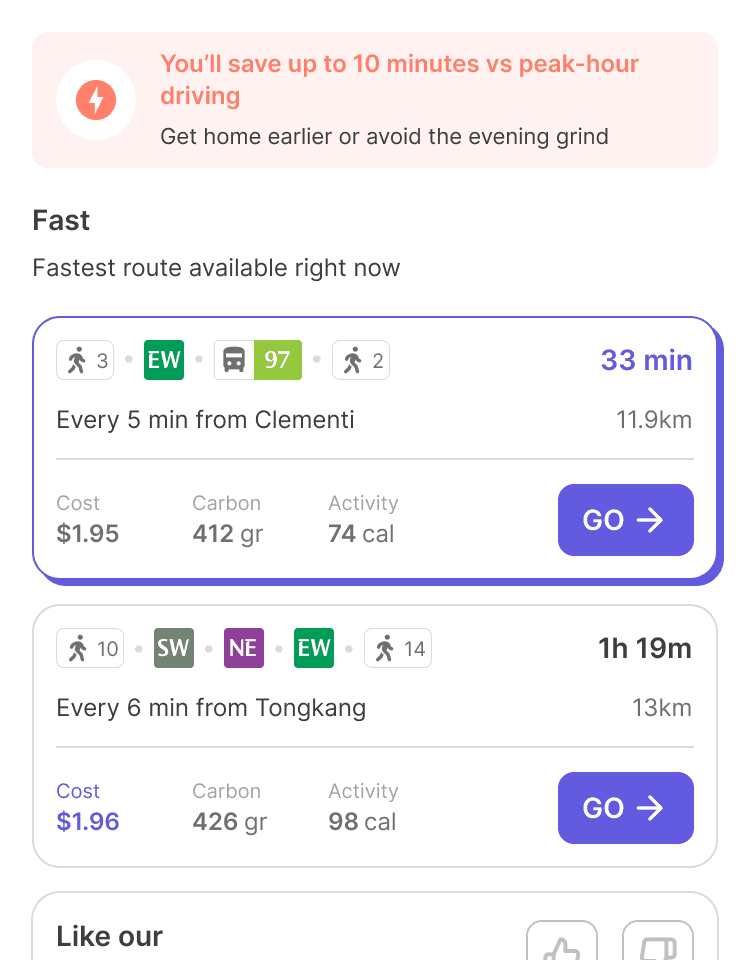
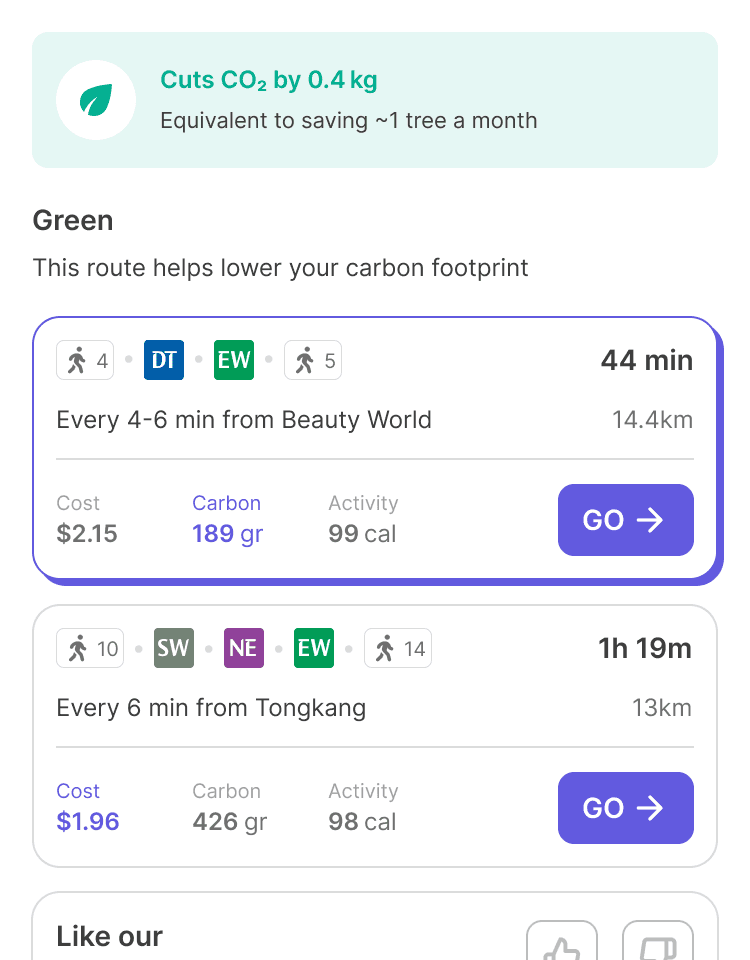
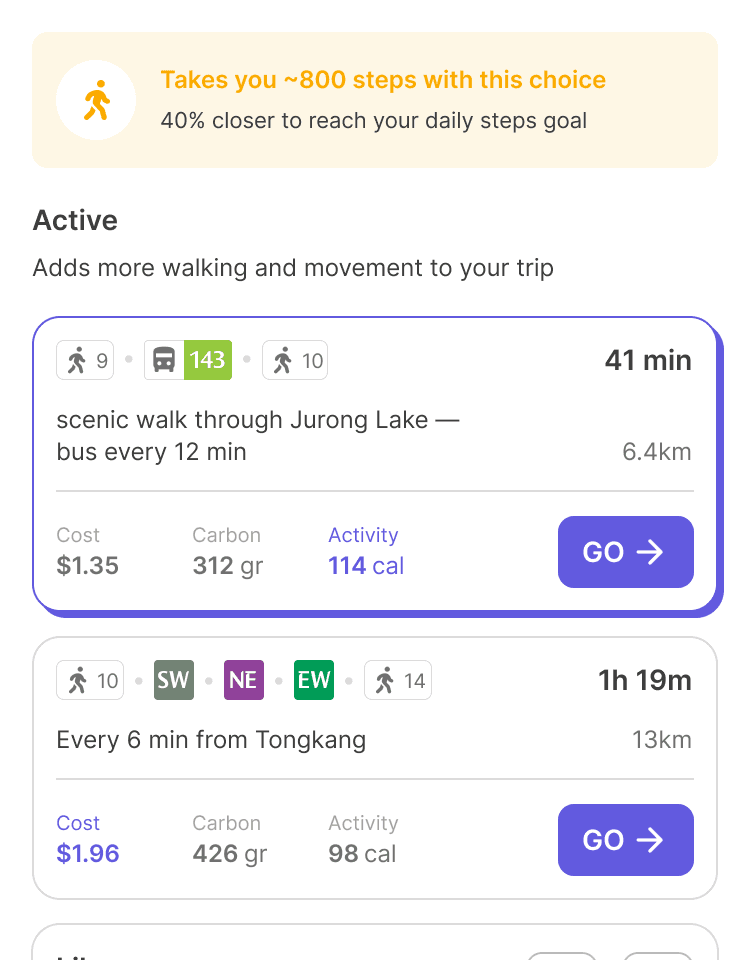
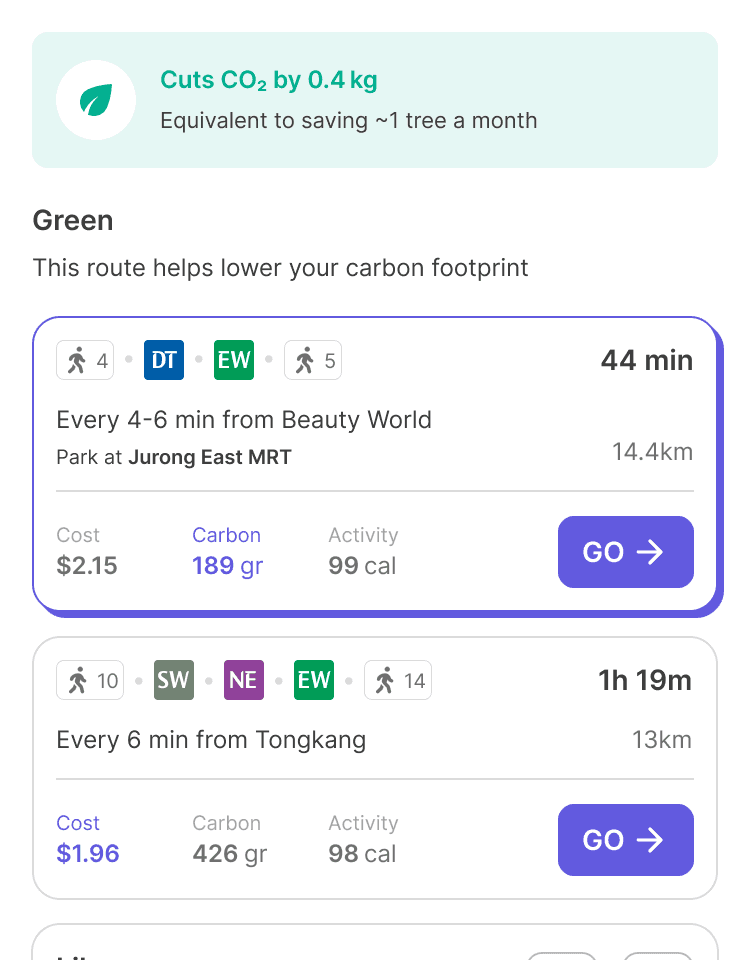
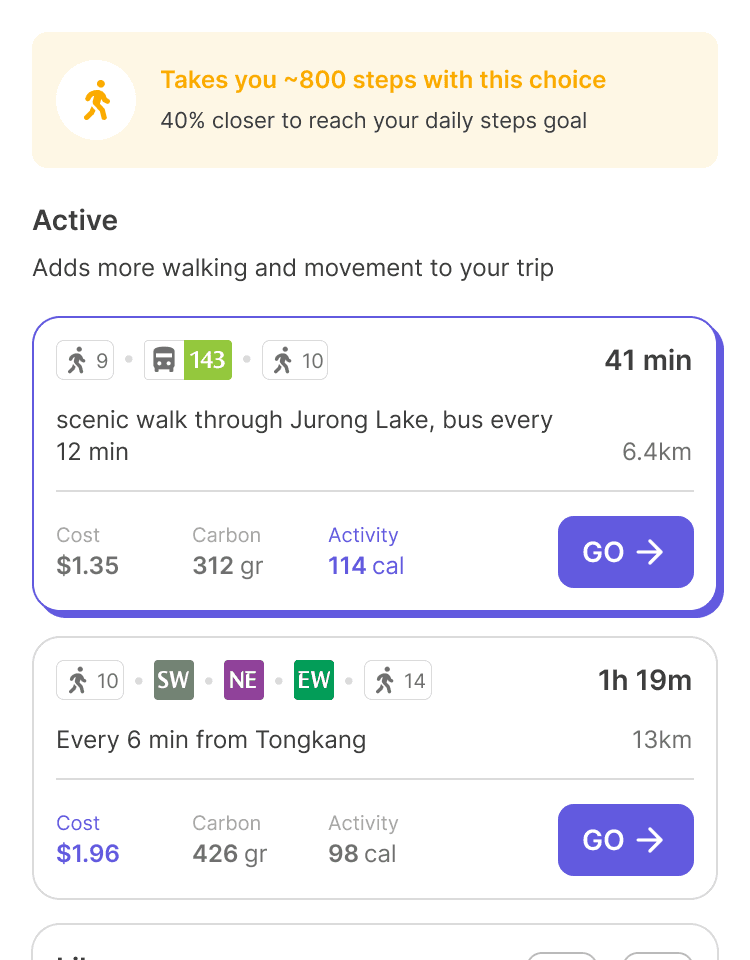
[↑] OZONE's preferences tab – Interact with one of the tab to see different results
The tab accommodates different types of commuter
Weekend Recommendation: Explore with a Guided Walk
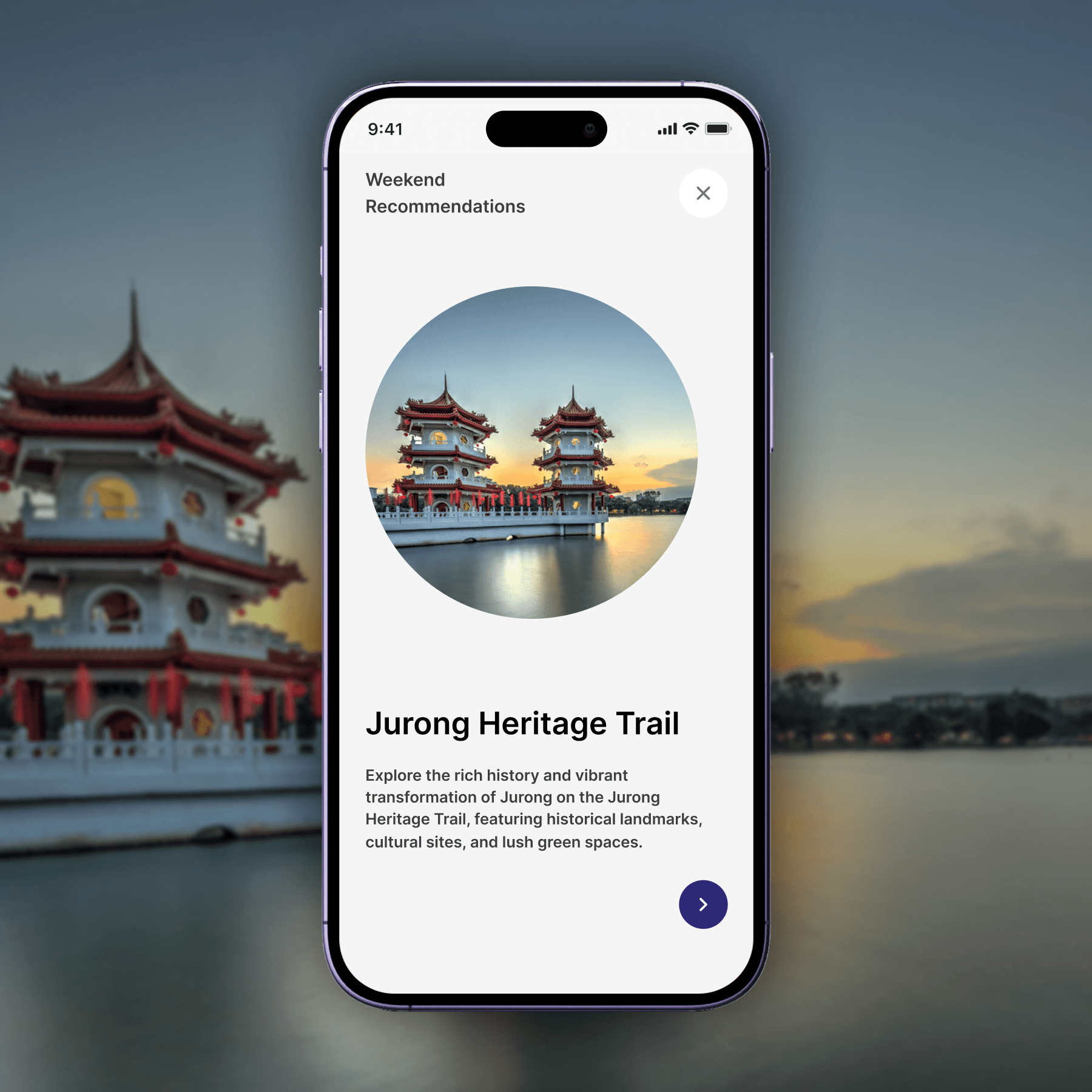
To nudge users further toward car-lite lifestyles, OZONE introduces Weekend Recommendations, designed to encourage exploration without private vehicles. These appear directly on the homepage during weekends, promoting activities like walking.
As a proof of concept, I integrated the Jurong Heritage Trail, one of Singapore’s official walking trails. I mocked up its route, checkpoints, and points of interest into a seamless, self-guided walking experience within the app. Users can follow the trail from point to point, with contextual information and visual cues that make the walk feel purposeful and informative.
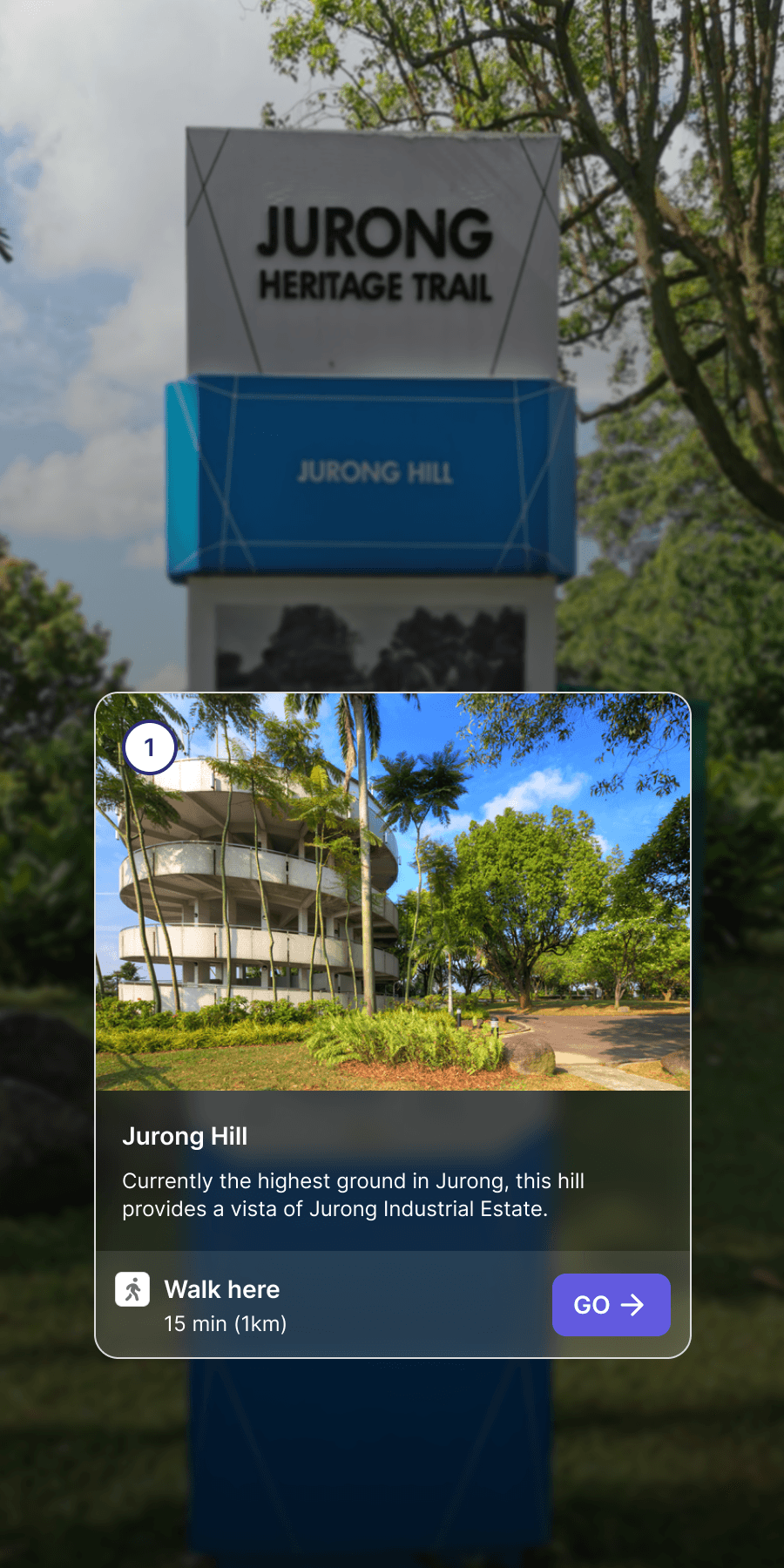
[↑] OZONE's Weekend Recommendations
Nudge users to walk through Singapore's official trails
DESIGN
Reflect & Reinforce
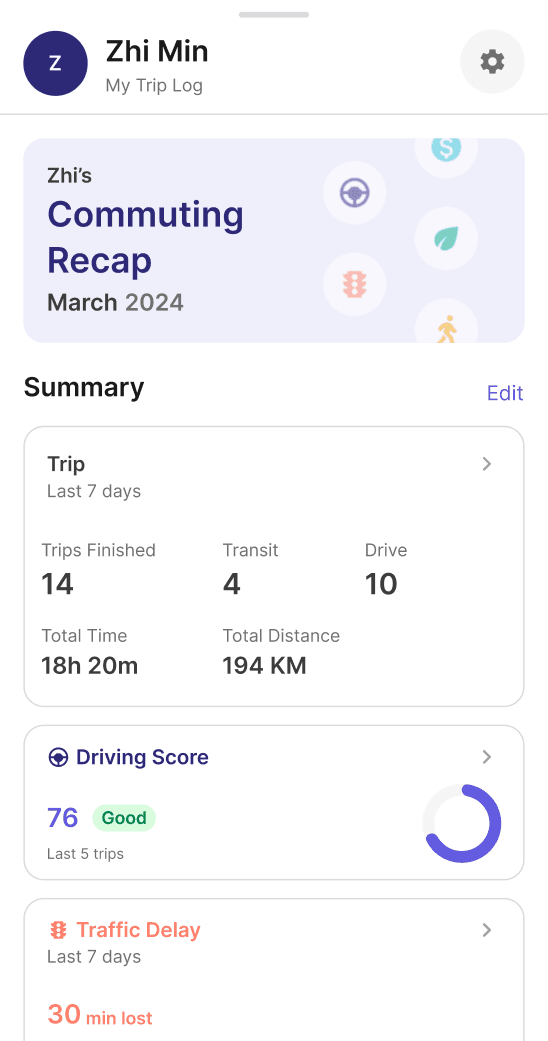
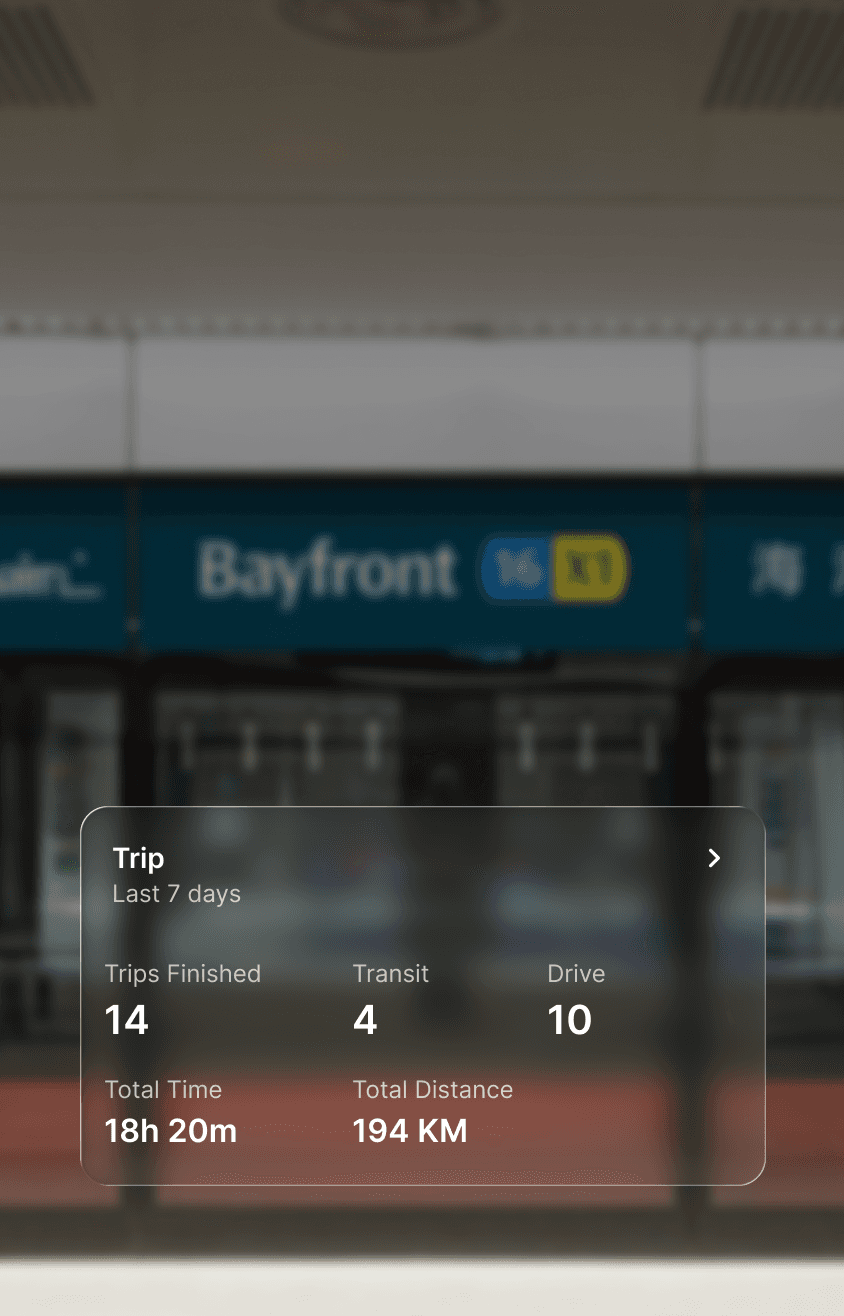
Once users finished trips and continue to engage with OZONE, they begin to see the impact of their commuting behavior reflected back through visualized data in Stage 3. This stage is represented through the Trip Log page, supported with more pages that shows detailed breakdown of each data.
I designed framework that served for OZONE and NK to be able to reuse the component so it could accommodate future cases and different type of data, without tweaking the overall UI.
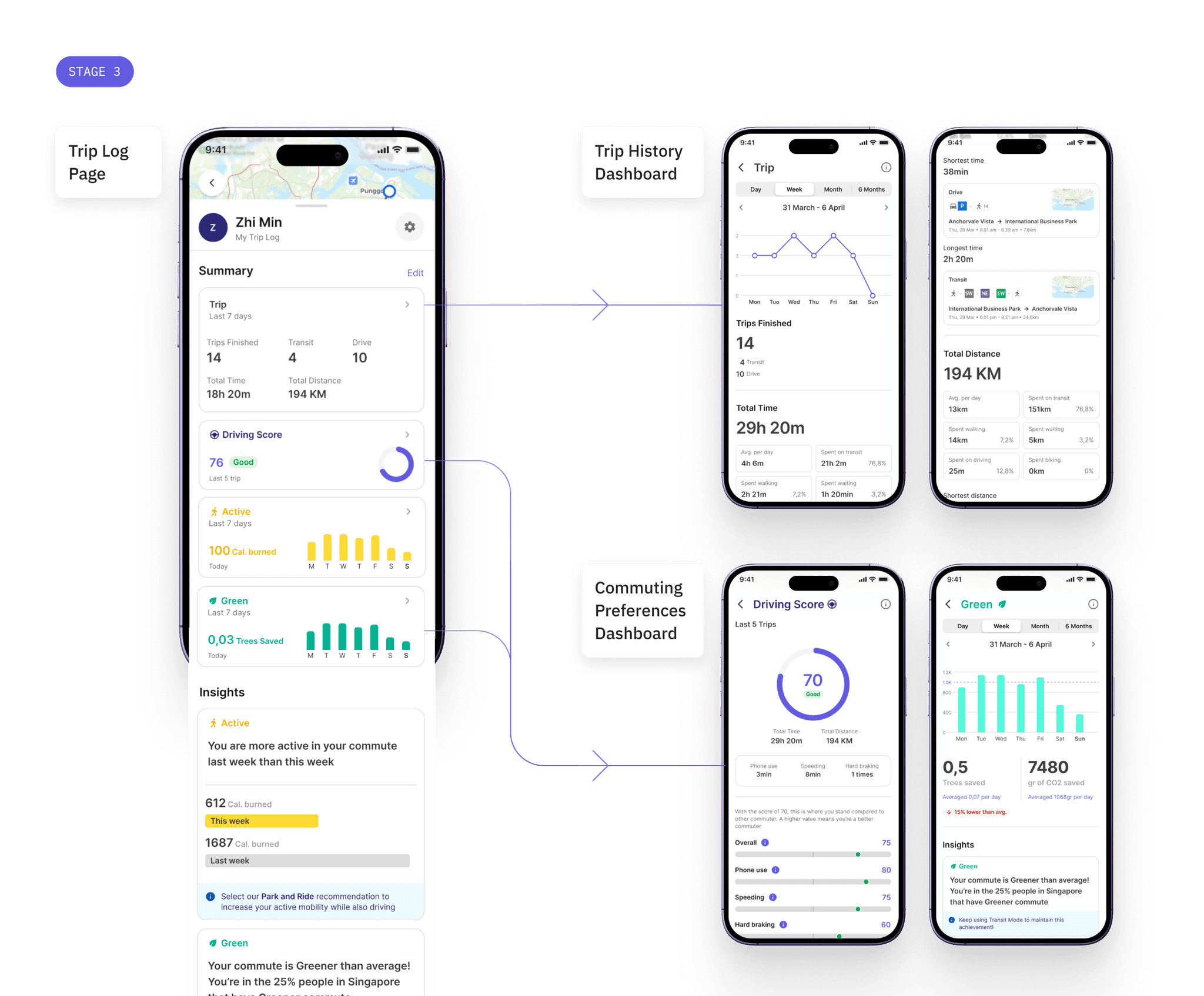
[↑] OZONE stage 3's page structure
Origanizing Summary, Insights and Preferences Dashboard into scalable visual system


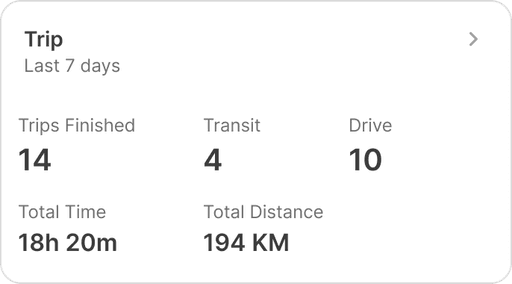
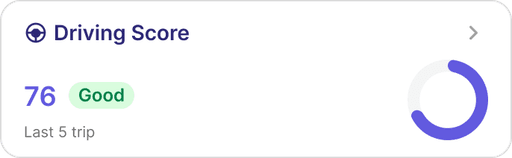
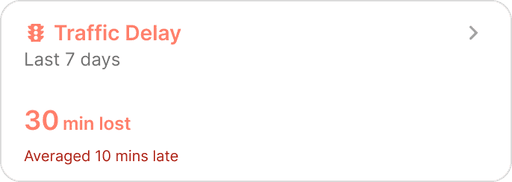
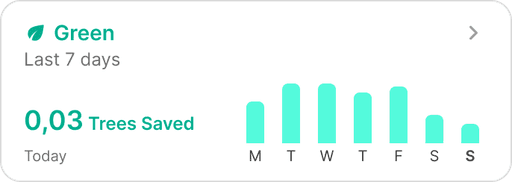
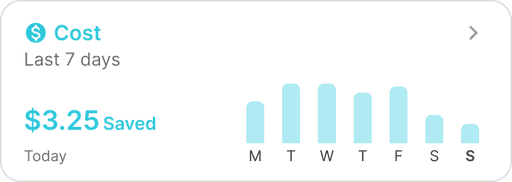
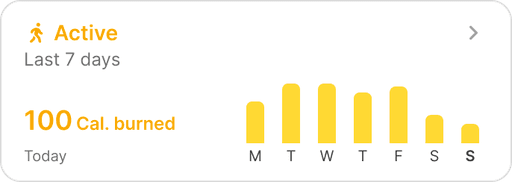
In Trip log's summary, users can see their choice reflected from the onboarding. User would be able to re-configure which preferences that matters the most to them
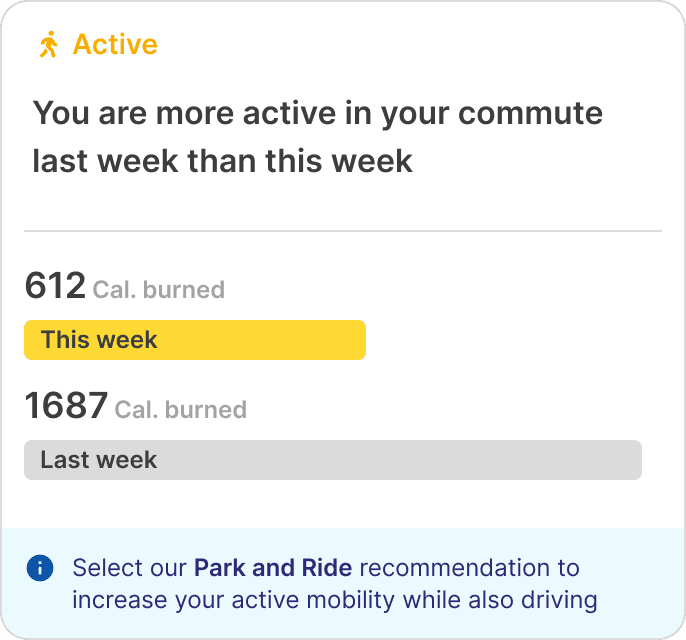
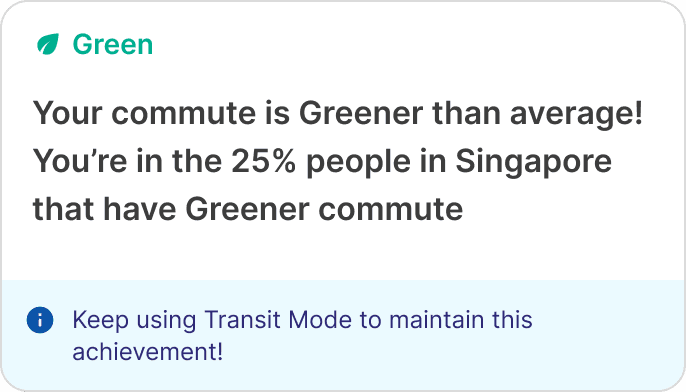
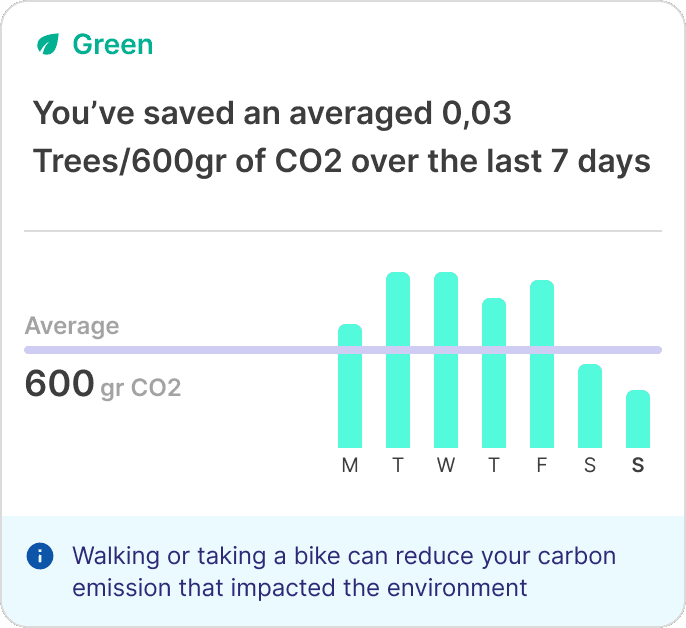
Insights gives timely recaps based on users’ past activities, along with a small actionable tips.
[↑] OZONE Trip Log; consist of Summary and Inisghts
Designed to help users reflect on past trips and get gentle nudges toward more sustainable choices
A modular dashboard that turn data into insights. Helping users see impacts in details and stay engaged.

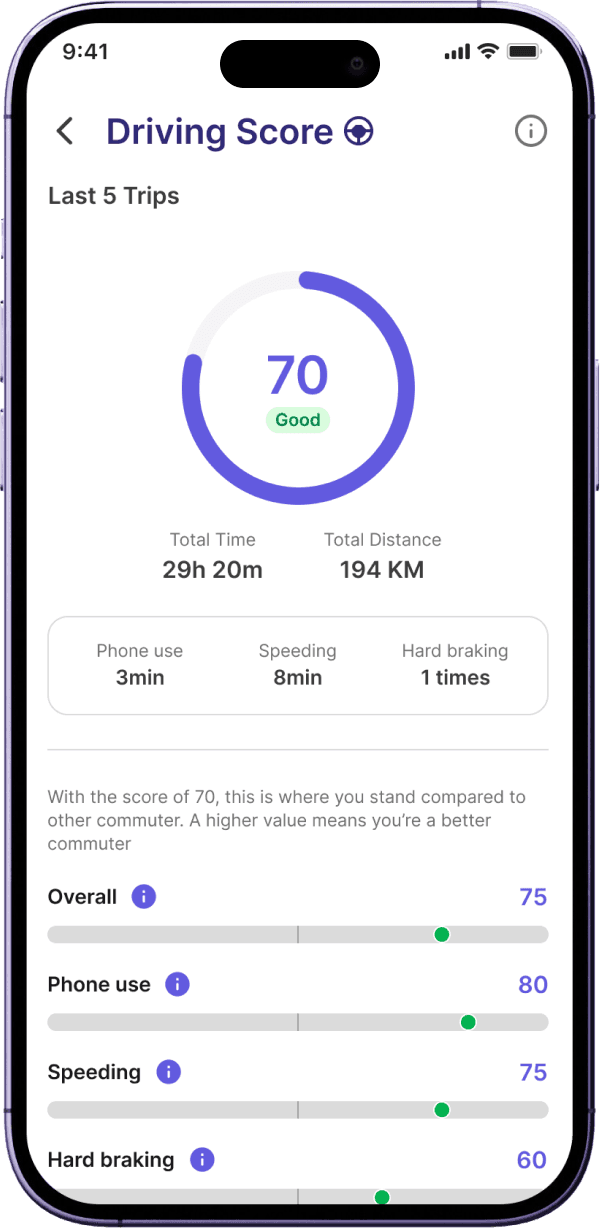
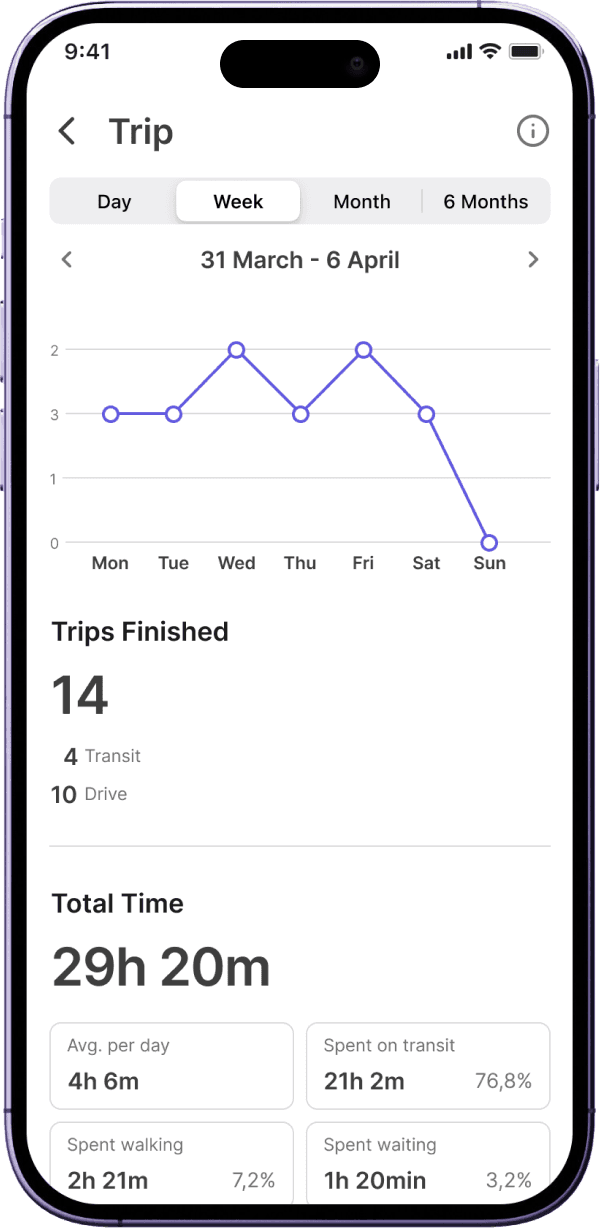
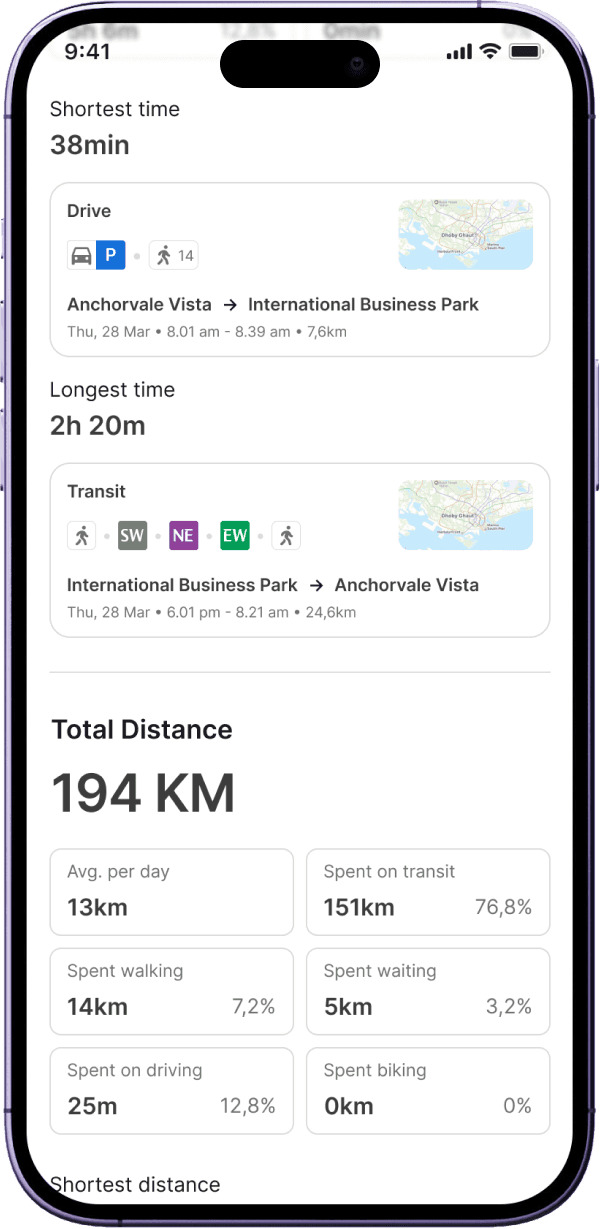
[↑] OZONE Trip Log's Detailed Dashboard
This is the data that turned into insights that actionable for users